

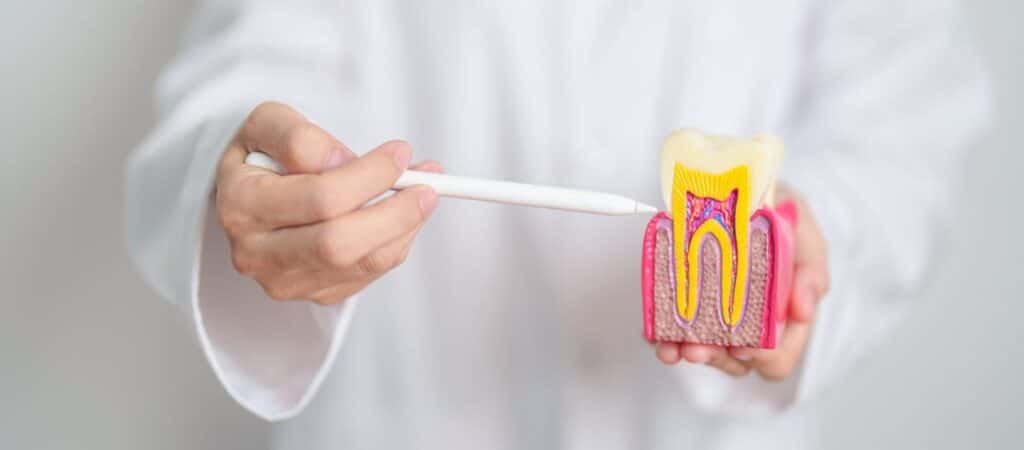
Many Keller patients ask the same question before their appointment: does a root canal really hurt? The short answer is that most people are genuinely surprised by how comfortable the procedure feels. What modern anesthesia actually does changes everything about the experience. Dr. Peter Truong Vo and the team at ABC 123 Dental of Keller want you to walk in informed — not anxious.
The Honest Answer: Does a Root Canal Really Hurt?
Root canals have a tough reputation. That reputation comes from decades-old dentistry, not the modern techniques used today. Most patients report that the procedure feels similar to getting a filling. The pain you fear is usually the tooth infection itself — not the treatment that relieves it.
In reality, a root canal removes the source of your pain. The inflamed or infected pulp tissue is what causes that throbbing ache. Once it is gone, most patients feel significant relief. The procedure itself, done under proper anesthesia, should not hurt at all.
What Modern Anesthesia Actually Does During a Root Canal in Keller
Modern local anesthesia completely blocks nerve signals in the treatment area. Your dentist injects the anesthetic near the tooth’s nerve pathways. Within minutes, the tissue is fully numb. You may feel pressure or movement, but you will not feel pain.
Today’s anesthetics are far more effective than those used even 20 years ago. Techniques like buffered anesthesia reduce the sting of the injection itself. Dentists also use topical numbing gel before the needle touches your gum. The entire numbing process is designed to be as comfortable as possible.
Some teeth with severe infections can be harder to numb at first. In those cases, your dentist may use supplemental injections or techniques. At ABC 123 Dental of Keller, Dr. Vo monitors your comfort throughout every step. You will always have the option to pause if you need more anesthetic.
What You Actually Feel During the Procedure
Once you are numb, the sensations during a root canal are minimal. Here is what most patients describe feeling:
- Mild pressure as the dentist accesses the tooth
- Vibration from small instruments cleaning the canals
- Occasional awareness of movement near the jaw
- No sharp pain at any point during treatment
The procedure typically takes 60 to 90 minutes for a single tooth. You may feel your jaw get tired from staying open. Some patients feel slightly anxious, even without physical pain. If dental anxiety is a concern, ask about Sedation Dentistry Keller options that can help you relax completely.
Most patients are pleasantly surprised when it is over. Many say they wished they had not waited so long. The anticipation truly is worse than the procedure itself.
Pain After a Root Canal: What Recovery Actually Looks Like
Some soreness after a root canal is completely normal. Your tooth and surrounding tissue have been worked on, so mild tenderness is expected. This discomfort typically peaks within 24 to 48 hours. It then gradually fades over the next few days.
Here is what a typical recovery timeline looks like:
- Day 1: Mild to moderate soreness once the numbness wears off
- Days 2–3: Sensitivity to biting pressure; manageable with over-the-counter pain relievers
- Days 4–7: Significant improvement in most cases
- Week 2: Most patients feel completely back to normal
Over-the-counter medications like ibuprofen work well for most patients. Your dentist may prescribe something stronger if needed. Eating soft foods for a few days also helps the area heal. Avoid chewing hard foods on that side until your permanent crown is placed.
Severe or worsening pain after a root canal is not typical. If you experience that, contact ABC 123 Dental of Keller right away. It could signal an issue that needs quick attention.
How Root Canal Treatment Connects to Your Overall Dental Health
A root canal saves a natural tooth that would otherwise need extraction. Keeping your natural tooth protects your bite, jawbone, and surrounding teeth. It is almost always the preferred option when the tooth structure is still healthy enough to restore. After the procedure, a dental crown is placed to protect and strengthen the tooth.
Root canal treatment is often the first step in a broader smile restoration plan. Patients who complete treatment sometimes explore options like Cosmetic Dentistry Keller to improve the overall appearance of their smile. A healthy tooth is always the best foundation for any cosmetic work. Dr. Vo helps patients understand all their options clearly.
Delaying a root canal usually makes things worse. The infection can spread to surrounding bone and teeth. What was once a straightforward procedure can become a more complex situation. Early treatment means faster recovery and better outcomes overall.
Tips to Make Your Root Canal Experience Easier
- Eat a light meal before your appointment so anesthesia works on an empty stomach
- Avoid alcohol or blood thinners the day before, unless your doctor advises otherwise
- Wear comfortable clothing and bring headphones if music helps you relax
- Ask questions before the procedure — understanding each step reduces anxiety
- Arrange for someone to drive you home if you choose sedation
Preparation makes a real difference in how you experience the appointment. Dr. Vo and the ABC 123 Dental team take time to explain every step before beginning. You will never feel rushed or uninformed during your visit. Patients in Keller consistently report feeling well-supported throughout treatment.
Conclusion: Modern Root Canals Are Not What You Think
The fear surrounding root canals is understandable but largely outdated. Modern anesthesia eliminates pain during the procedure. Recovery is manageable with simple at-home care. Most patients wish they had not put it off. If you are dealing with tooth pain or have been told you need a root canal, do not wait. Book Now to schedule your appointment with our team.
Frequently Asked Questions
Does a root canal hurt while it is happening?
No — when performed with modern local anesthesia, a root canal should not be painful during the procedure. You may feel pressure or vibration, but the nerve is fully blocked so you will not feel sharp pain. If you feel discomfort at any point, alert your dentist immediately so more anesthetic can be applied.
How long does the soreness last after a root canal?
Most patients experience mild to moderate soreness for one to three days after a root canal. This usually peaks around day two and then steadily improves. Over-the-counter pain relievers are typically enough to manage discomfort, and most people return to normal within a week.
Is a root canal worse than a tooth extraction?
Most dental professionals recommend a root canal over extraction when possible. A root canal saves your natural tooth, which is almost always the better long-term outcome. Recovery from a root canal is often smoother than recovering from an extraction, especially when you consider the work needed afterward to replace a missing tooth.
Can I drive myself home after a root canal?
If you only received local anesthesia, you can typically drive yourself home. However, if you chose sedation dentistry for added relaxation, you will need someone to drive you. Your dentist will let you know what to expect based on the type of anesthesia used during your specific procedure.
What happens if I ignore a tooth that needs a root canal?
Ignoring a tooth that needs a root canal allows the infection to spread. The pain usually worsens significantly over time. The infection can reach surrounding bone and neighboring teeth, making treatment more complicated and costly. Early intervention always leads to a faster, easier recovery.