
Dental implants do a great job of mimicking natural teeth; they look real, feel stable, and function reliably for years. But here’s something many patients don’t realize until after placement: implants need professional care just as consistently as your natural teeth do. Maybe even more so in certain situations.
If you’ve been wondering whether your regular checkup schedule still applies now that you have implants, the answer is yes, and the reasoning behind it matters more than you’d think.
Why Professional Implant Cleaning Isn’t Optional
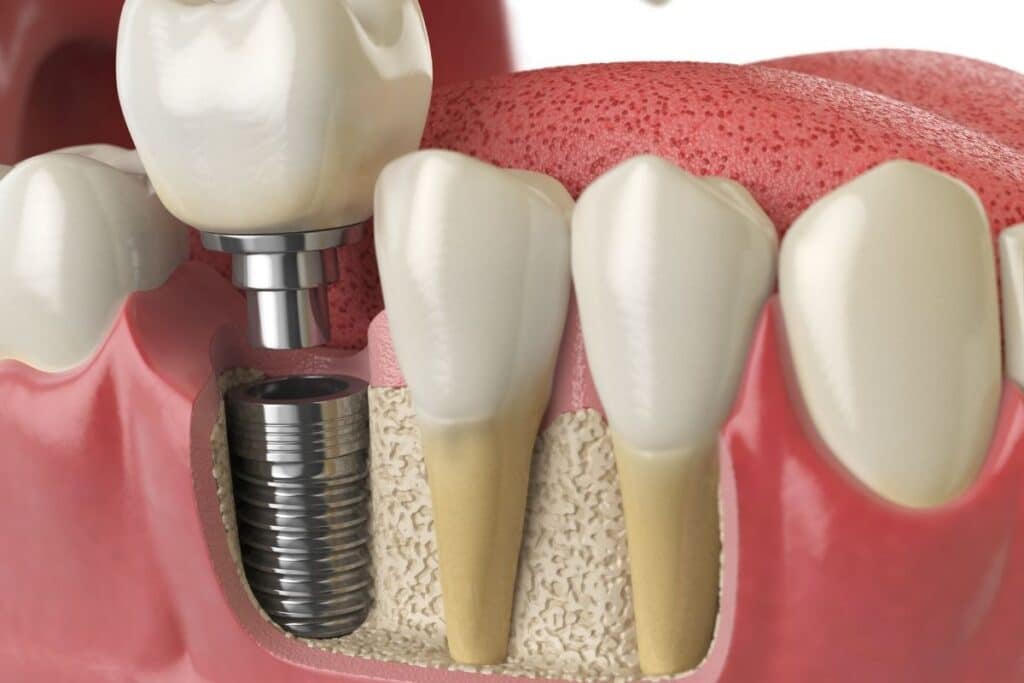
It’s a fair assumption: implants can’t get cavities, so why does professional cleaning matter? The answer lies not in the implant itself, but in the tissue surrounding it.
Although implants are not susceptible to decay, the gum tissue surrounding the area can develop periodontal disease known as peri-implantitis (inflammation that may result in loss of bone support around the implant). Once that bone loss begins, it’s difficult to reverse. That’s the situation that professional implant-cleaning appointments are designed to prevent.
At ABC 123 Dental in Haltom City, TX, maintaining the health of the tissue around your dental implant is treated just as seriously as placing the implant itself. One without the other simply doesn’t lead to long-term success.
The Standard Schedule: Every Six Months
Professional cleanings for dental implants are recommended every six months, or as advised by your dentist. Regular check-ups help monitor implant health and prevent potential issues before they develop.
For most single-tooth implant patients with good oral hygiene habits and no underlying gum concerns, twice-yearly visits cover all bases. Your hygienist uses tools designed for implant surfaces that clean effectively without scratching the titanium abutment or crown material. Your dentist will also evaluate whether the restoration is securely attached to the implant and sitting in proper occlusion, since loose connections can alter your bite and, over time, cause bone loss.
So while the schedule looks familiar, what happens during those appointments is different from a standard cleaning.
When Every Six Months Isn’t Enough
Here’s where the nuance comes in. Not every implant patient has the same maintenance needs, and your dentist may recommend more frequent visits based on several factors.
You Have Multiple Implants or Full-Arch Restorations
All-on-4 patients, for example, are seen every three months for professional cleanings rather than the standard six-month schedule for natural teeth. The bridge design creates small spaces where food accumulates daily, and the prosthetic material (acrylic) picks up bacteria more quickly than natural enamel. More surface area means more opportunity for buildup, and more reason to stay ahead of it.
You Have a History of Gum Disease
The protocol for each patient varies depending on their individual situation – some implant patients need more frequent appointments, and your dentist will recommend a schedule based on your specific needs. If you’ve dealt with periodontitis before your implant was placed, your tissue is already more susceptible to infection. Quarterly visits may be the right call for you, at least in the early years after placement.
You’re a Smoker
Smoking restricts blood flow to gum tissue and significantly slows healing. It also raises the risk of peri-implantitis. Patients who smoke generally benefit from more frequent monitoring, regardless of how well they clean at home.
What the Cleaning Appointment Involves
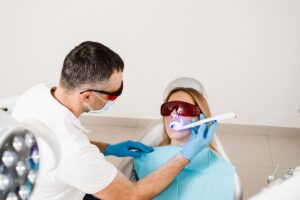
A professional implant cleaning is not the same as a standard hygiene visit. Your hygienist won’t use metal scalers on the implant surface; instead, they rely on plastic, titanium, or carbon-fiber instruments to remove deposits without scratching.
Your dentist will also obtain a radiograph to evaluate the bone around your implant, since periodic X-rays are the best way to monitor the condition of the supporting bone over time. For larger restorations, the prosthetic teeth may be removed to allow thorough cleaning of the abutments and underlying implants — something you simply can’t do at home.
The appointment typically takes longer than a standard cleaning and covers more ground, but it’s one of the most important investments you can make in your implant’s longevity.
What You Can Do Between Visits
Professional care works best when it has a strong home care to build on. A few habits that protect your implant between appointments:
- Brush twice daily using a soft-bristled toothbrush and non-abrasive toothpaste
- Use implant-specific floss, a floss threader, or interdental brushes to clean below the gum line and between teeth
- Rinse with an alcohol-free antibacterial mouthwash to reduce bacterial load around the gumline
- Use a water flosser if you have multiple implants or a full-arch restoration — it reaches spaces that traditional floss misses
Floss can also be used to deliver antiseptic agents to the implant daily, adding another layer of protection against bacterial buildup in the sulcus.
These daily habits don’t replace professional care, but they make every cleaning appointment more effective and give your tissue the best chance of staying healthy long-term.
For most implant patients, twice a year covers their maintenance needs, as long as their home hygiene is consistent and their tissue stays healthy. If your dentist sees early signs of inflammation, increased pocket depth around the implant, or bone changes on your X-ray, expect that schedule to tighten. That’s not a bad sign; it’s proactive care doing its job.
Dental implants have a 97% success rate and can often last a lifetime, but that outcome depends on proper care and professional intervention when it’s needed. The cleaning schedule is a core part of that.
Contact ABC 123 Dental in Haltom City, TX, to schedule your next professional implant cleaning and keep your smile in the best possible shape.
People Also Ask
Q: Does professional implant cleaning hurt?
Most patients find implant cleanings comfortable. Hygienists use instruments specifically designed for implant surfaces, which are gentler than those used on natural teeth. If you have sensitive gum tissue around the implant, let your hygienist know beforehand so adjustments can be made.
Q: Can I use a regular electric toothbrush on my implants?
Yes, but choose one with a soft brush head and use gentle pressure. Electric toothbrushes can be more thorough than manual brushing, but prolonged pressure against gum tissue can cause irritation. Your dental team can recommend the best option based on your restoration type.
Q: What happens if peri-implantitis goes untreated?
Without treatment, peri-implantitis causes progressive bone loss around the implant. In severe cases, this can compromise the implant’s stability and ultimately lead to implant failure. Catching it early through regular professional visits is the most effective way to prevent that outcome.
Q: Is a water flosser good enough to replace professional cleanings?
No. Water flossers are excellent for daily home maintenance around full-arch restorations, but they cannot remove hardened calculus or tartar. Only professional instruments can safely clean those deposits, and only a dentist can assess bone levels and implant stability using X-rays.